

about us
Our story
Sexmuseum Amsterdam is the world’s first and oldest museum dedicated to sexuality, desire, art and culture. Since opening on the Damrak in 1985, the Venustempel has grown from a small and daring idea into one of Amsterdam’s most distinctive museums.
Why we exist
A museum for the most human story of all
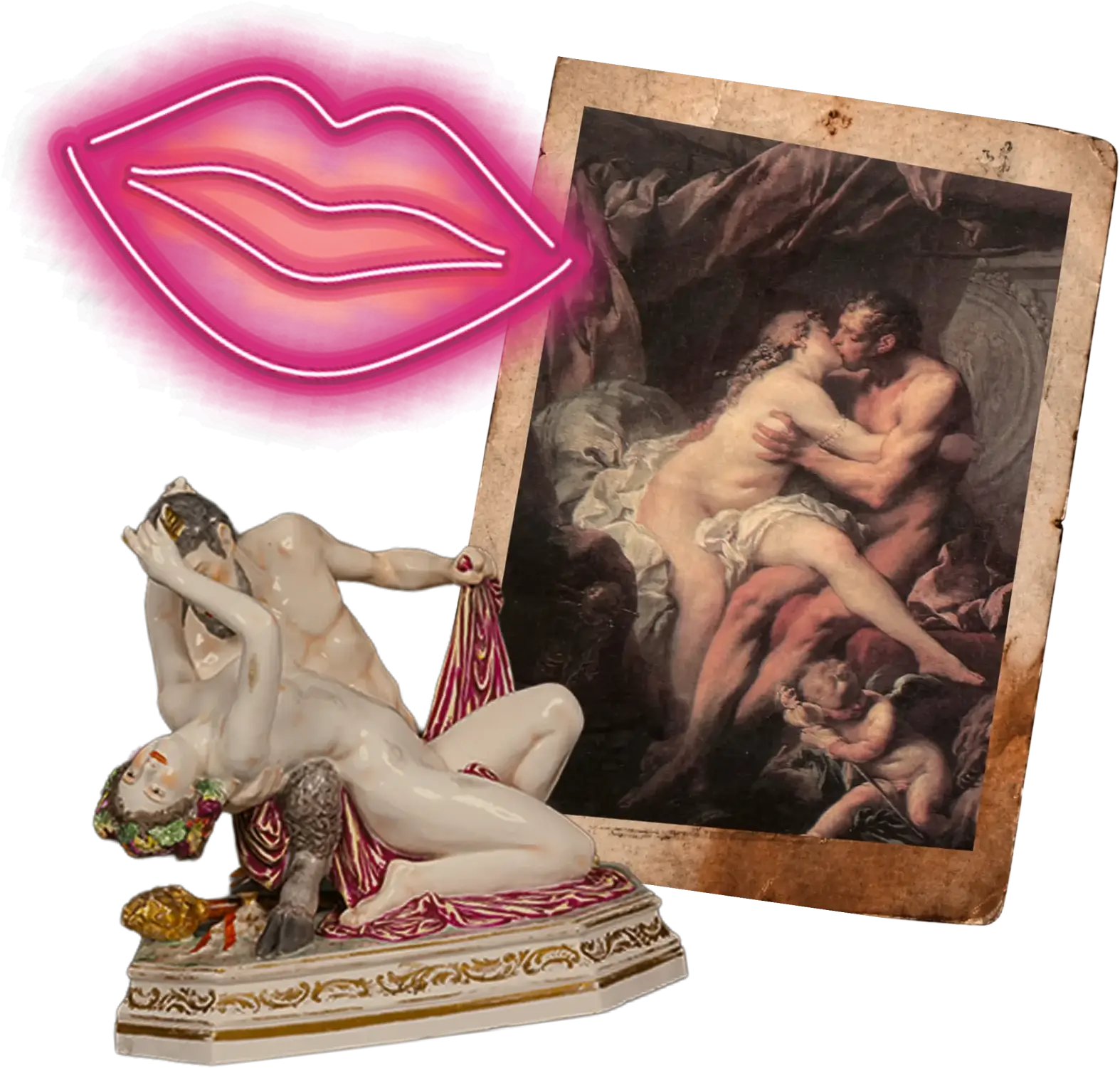
Long before people wrote love letters, they expressed affection through touch, gifts, rituals and symbolic objects. Jewellery, fertility figures and decorated vessels reveal that intimacy was already an important part of everyday life thousands of years ago.
These early expressions may not contain words, but they still communicate powerful ideas. Desire, devotion, partnership and fertility were represented through images and objects that could be understood across generations.
Love did not begin with language. Language simply gave people new ways to preserve it.
general information
Good to know

1985
opening
The Venustempel opens in Amsterdam with a small collection of erotic objects.

1990s
first expansion
New spaces are added throughout the historic Damrak building as the collection continues to grow.

2000s
remarkable discovery
Two erotic objects are uncovered during renovations, hidden inside the building’s foundations.

Today
500k+ visitors
The museum welcomes hundreds of thousands of curious visitors from around the world each year.
our story
How the Venustempel became an icon
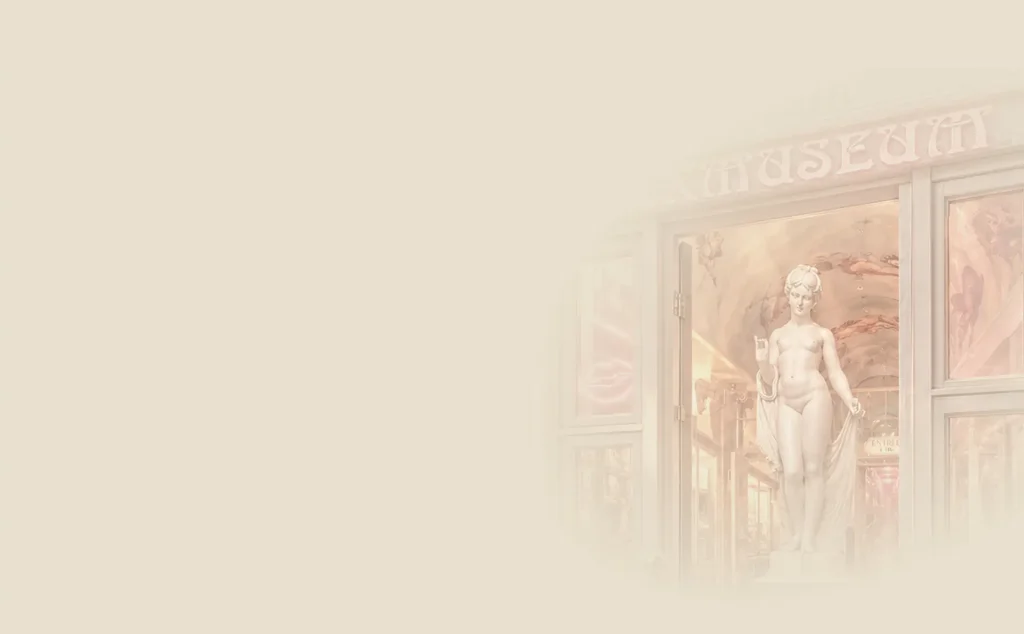
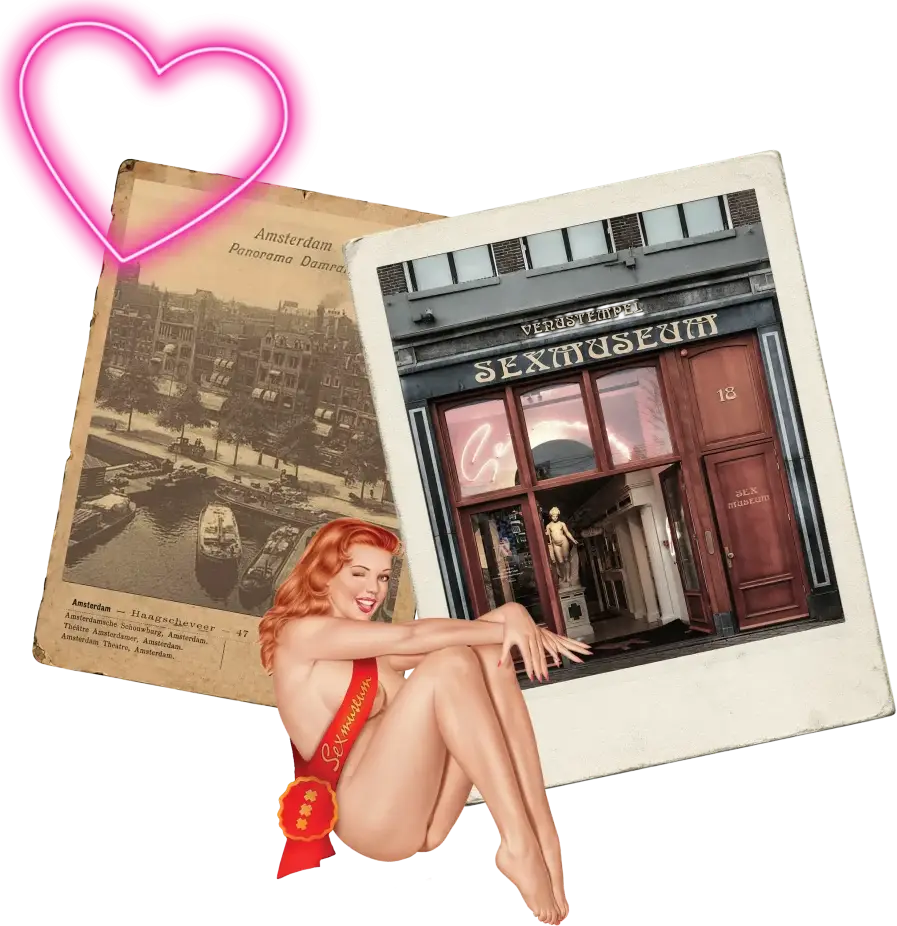
In 1985, the Venustempel opened its doors with a small collection of nineteenth-century erotic objects displayed in just a few showcases. Nobody knew whether the idea would succeed. The response from the first visitors was so enthusiastic that the collection quickly began to grow.
Over the years, more rooms were added inside the historic seventeenth-century building on the Damrak. The modest museum gradually developed into a labyrinth of rooms, corridors and unexpected encounters. During one of the early renovations, two remarkable erotic objects were discovered in the foundations: a fragment of a Delft Blue tile and a small bronze Hermes figure. The discovery created an unexpected connection between the museum and the hidden history of its building.
Today, the Venustempel welcomes visitors from all over the world and remains one of Amsterdam’s best-known cultural attractions.
INSIDE THE MUSEUM
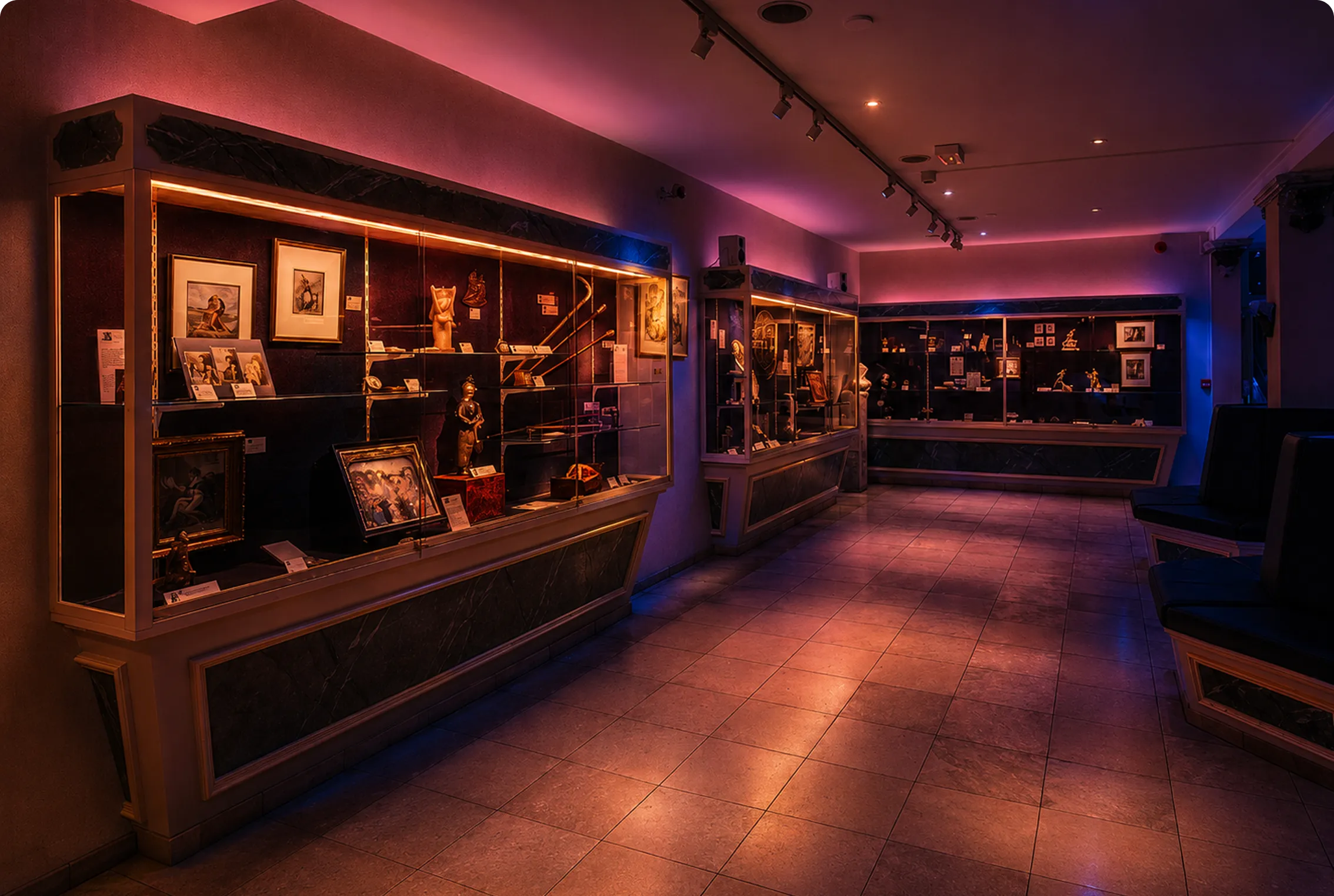
Multiple floors of delightful surprises
history of sexuality
Journey through centuries of desire, rituals, taboos and changing ideas about intimacy.
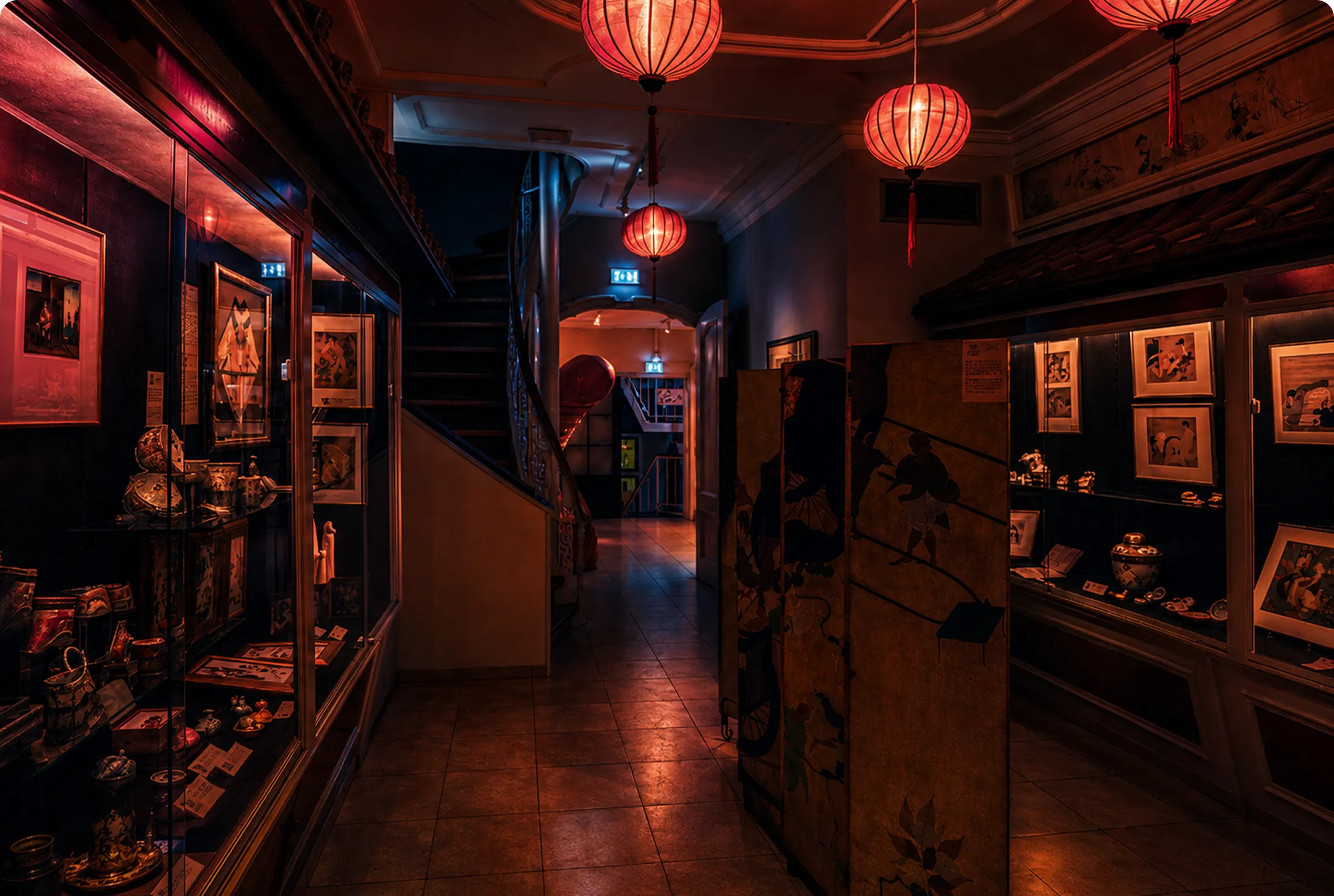
erotic art & imagery
Discover how artists, cultures and collectors have captured beauty, pleasure and imagination through time.
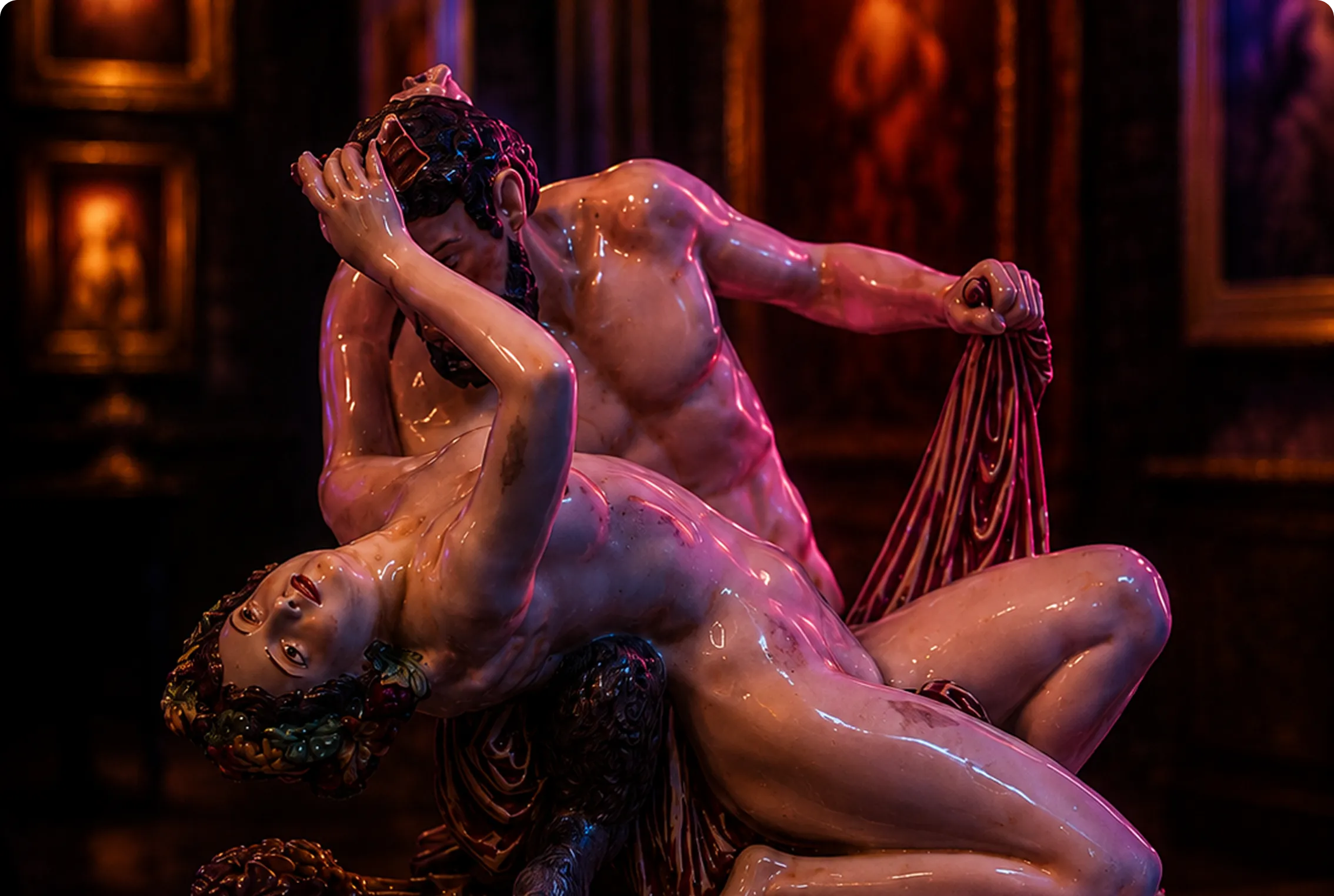
rare objects & curiosities
Explore unusual artefacts, vintage pieces and unexpected finds from the museum’s private collection.
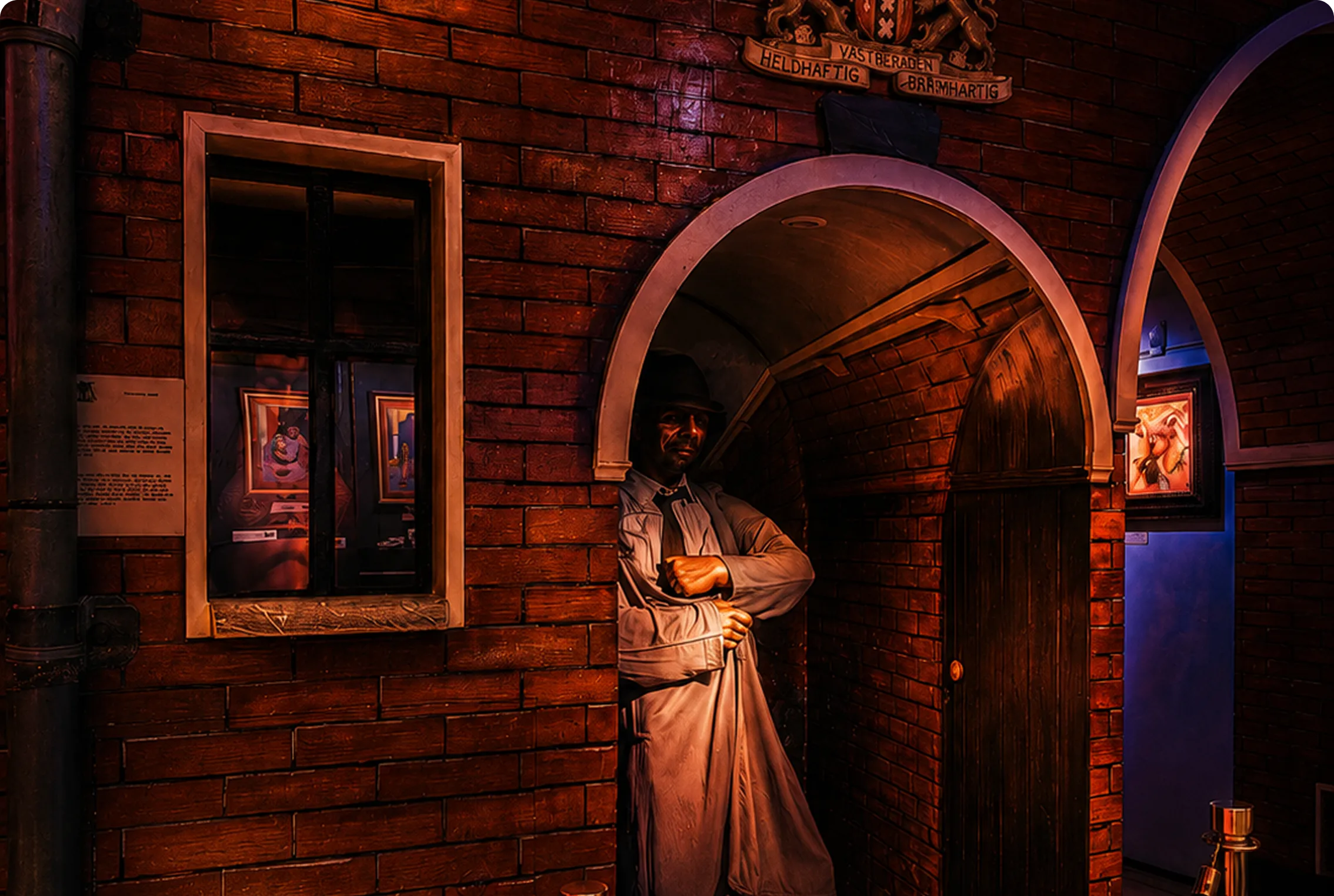
culture & conversation
See how sexuality has shaped society, identity, freedom and the way we talk about desire today.
loved by curious minds
What our visitors
have to say
Frequently Asked Questions
Everything you need to know
Anyone aged 16 or over is welcome, and the minimum age applies to all visitors, including babies and young children. Our historic building does not have a lift, which means that most floors are not wheelchair accessible. Wheelchair users are very welcome to visit the ground floor free of charge.
Most visitors spend about an hour exploring the museum, but feel free to take your time.
It isn’t compulsory, but if you book online, you won’t have to queue at the entrance during busy periods. Online tickets remain valid for a year.
Yes, photos and short videos are very welcome, and you’re free to share them. Please do not use a flash or selfie sticks, and only take photos of our staff with their permission.
Yes, there are gender-neutral toilets on the first floor.
The museum does not have a restaurant or café, but along the Damrak and around Central Station, just a short walk from here, you’ll find plenty of places to eat and drink.
Yes, provided your dog is kept on a lead, is house-trained and behaves calmly in the presence of visitors and staff.
open every day
10:00 – 18:00*
location
minimum age
16+

