

The language of love through the ages
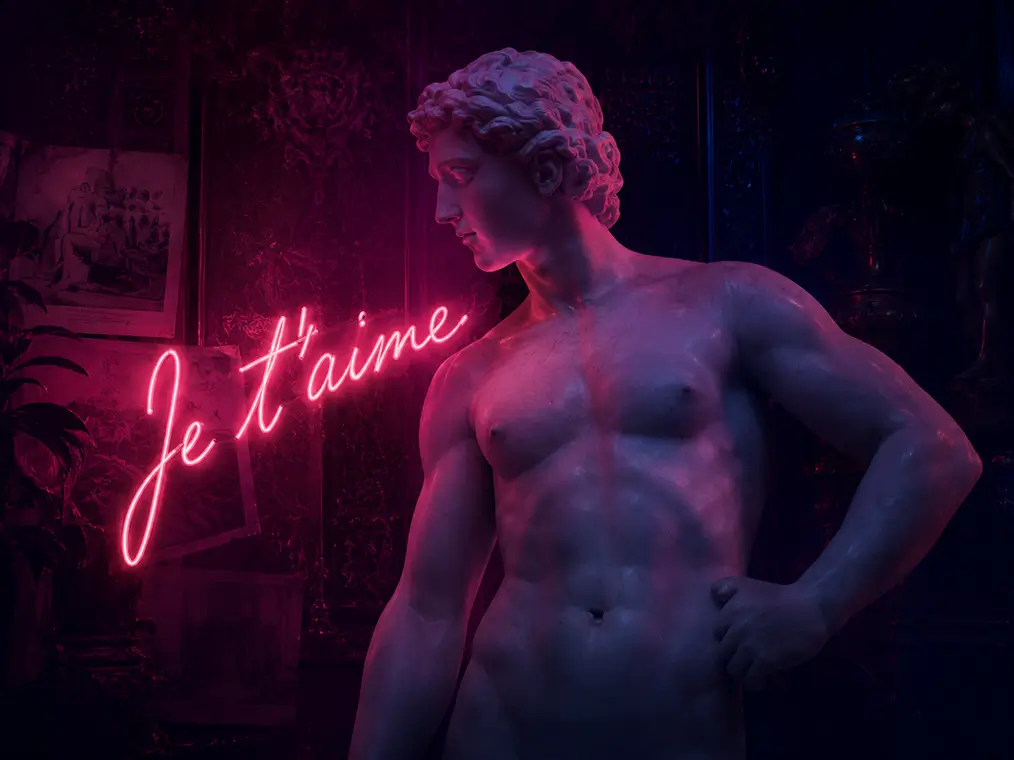
Love is older than writing
Long before people wrote love letters, they expressed affection through touch, gifts, rituals and symbolic objects. Jewellery, fertility figures and decorated vessels reveal that intimacy was already an important part of everyday life thousands of years ago.
These early expressions may not contain words, but they still communicate powerful ideas. Desire, devotion, partnership and fertility were represented through images and objects that could be understood across generations.
Love did not begin with language. Language simply gave people new ways to preserve it.
Desire in ancient poetry
Some of the earliest surviving love stories appear in poetry, songs and mythology. Across ancient cultures, writers described longing, attraction, jealousy and heartbreak with emotions that still feel familiar today.
Love was often connected to gods, destiny and the natural world. Beauty could be compared to flowers, desire to fire and separation to an endless journey. These metaphors allowed writers to express private feelings through images that everyone could recognise.
Ancient stories also show that love was rarely simple. It could be joyful and generous, but also dangerous, forbidden or impossible.
The words may be ancient, but the emotions feel remarkably modern.
Love written in secret
As writing became more accessible, letters created a private space for intimacy. A message could travel across cities, borders and social boundaries while carrying thoughts that were difficult to express in person.
For many lovers, letters offered freedom. They could reveal hidden feelings, describe imagined meetings or preserve a relationship during long periods apart. Some were poetic and carefully composed. Others were direct, playful or intensely personal.
Secrecy became part of their appeal. Letters were hidden inside books, sealed with wax or written in coded language to protect their authors from curious eyes.
More than romantic words
Historic love letters often contained much more than declarations of affection. They included:
- everyday observations and shared memories
- promises, apologies and private jokes
- descriptions of longing and physical desire
- plans for future meetings or lives together
Together, these details turned a simple piece of paper into a record of intimacy.
What remains unchanged
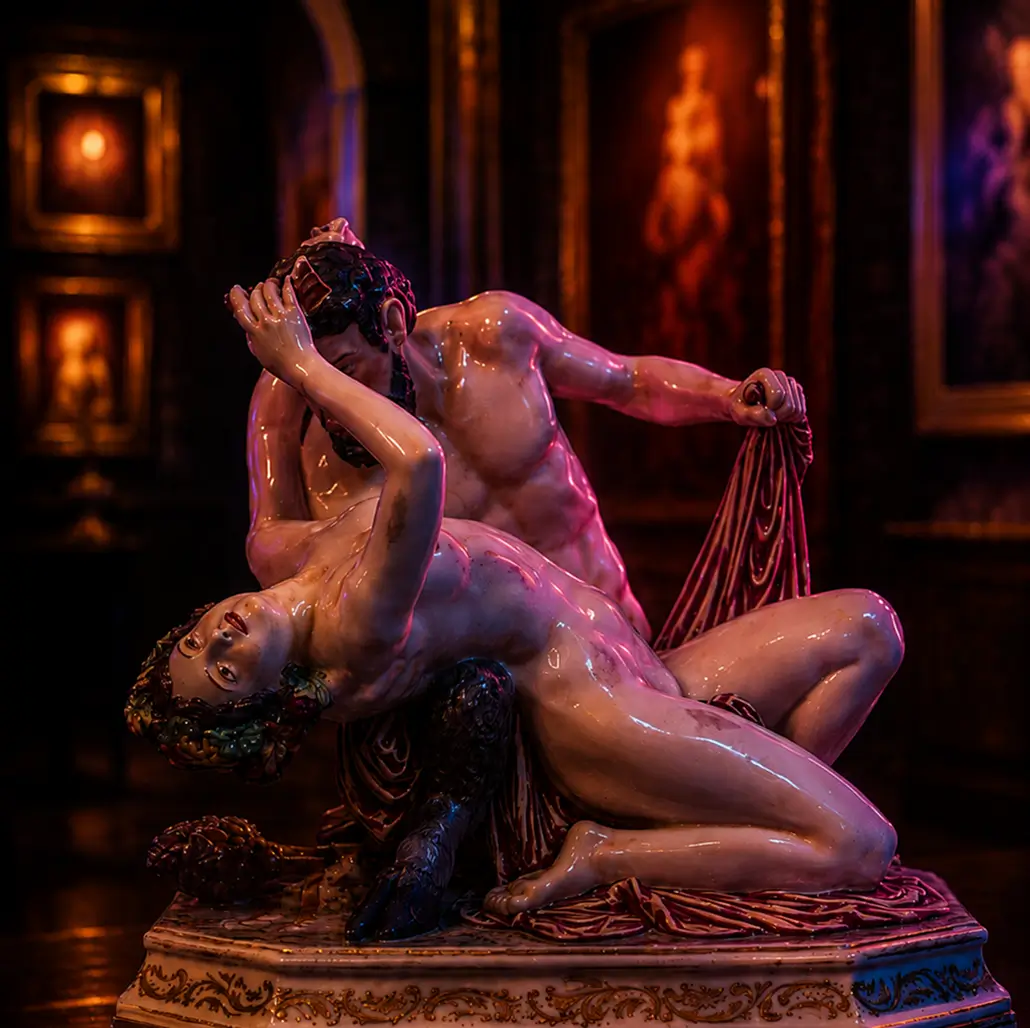
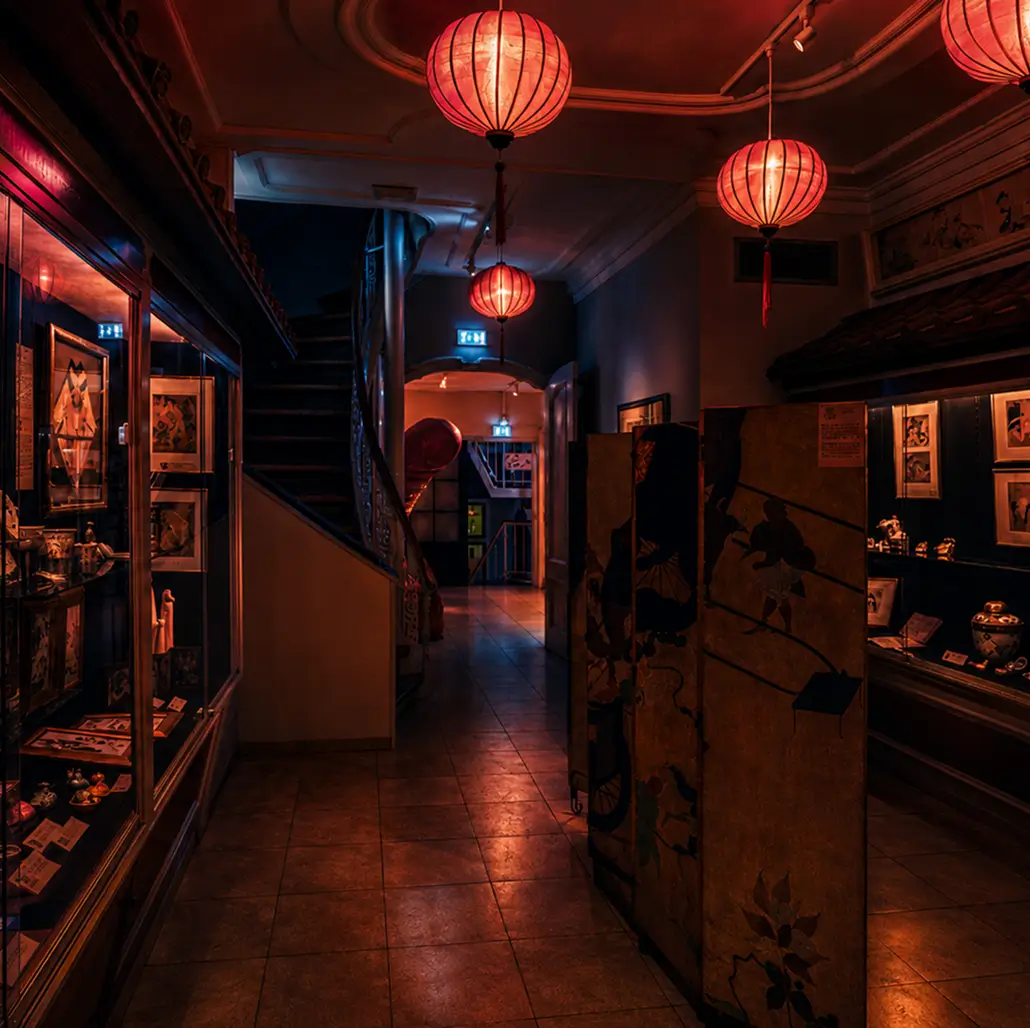
Across centuries and cultures, people have searched for ways to make invisible feelings visible.They carved symbols, composed poems, exchanged letters, posed for photographs and sent late-night messages. Each method belonged to its own time, yet each answered the same human need: to be seen, desired and remembered.
The history of love is therefore not only a history of words. It is a history of creativity, risk and connection.
Every generation invents a new language for love. The feeling itself needs no translation.

Zoe writes about the history, art, and culture of sexuality. With a curious eye, he brings remarkable stories, objects, and ideas from the Sex Museum’s collection to life.

